
Questions
Is Cannabis a Drug? Yes—Here's What You Need to Know
Yes, cannabis is a drug. It's a psychoactive substance that affects the brain and body. Cannabis contains cannabinoids like THC and CBD, which produce its effects. It's classified as a Schedule I controlled substance federally, though it's legal for adult use in California.
Is Cannabis a Drug? Yes—Here's What That Means
Yes, cannabis is a drug. By definition, a drug is any substance that, when absorbed into the body, changes normal bodily function. Cannabis does exactly that—it's a psychoactive drug because it alters brain function, leading to changes in mood, perception, and behavior. The National Institute on Drug Abuse (NIDA) classifies it as such.
But calling cannabis a drug doesn't automatically make it "bad." Many drugs—like caffeine, alcohol, and prescription medications—are legal and widely used. Cannabis is a non-chemically uniform psychoactive drug, meaning its effects vary depending on the strain, how it's consumed, and your individual body chemistry.
So, yes, cannabis is a drug. It's a cannabinoid—a compound that interacts with your brain's endocannabinoid system. This system regulates things like mood, appetite, and pain. When you consume cannabis, THC (delta-9-tetrahydrocannabinol) binds to receptors, producing the "high." That's why it's considered a drug, not just a plant. If you're curious about how it feels, our team at Nug Cannavine Cannabis Dispensary in Belmont can help you choose the right product.


What Is Cannabis Made Of? THC, CBD, and How It Works
Cannabis is made from the dried leaves and buds of the Cannabis sativa plant. It contains over 100 cannabinoids, but the two most famous are THC and CBD. Here's how they differ:
| Cannabinoid | Psychoactive? | Effects | Common Uses |
|---|---|---|---|
| THC (delta-9-tetrahydrocannabinol) | Yes | Euphoria, relaxation, altered perception, increased appetite | Recreational use, pain relief, nausea reduction |
| CBD (cannabidiol) | No | Calming, anti-inflammatory, no "high" | Anxiety, pain, epilepsy, general wellness |
| CBG | No | May reduce inflammation, antibacterial | Emerging research |
| CBN | Mild | Sedative, may help sleep | Insomnia, relaxation |
| THCV | Yes (at high doses) | Appetite suppressant, alertness | Weight management, focus |
When you consume cannabis, these cannabinoids interact with your brain's receptors. THC binds to CB1 receptors, which are abundant in areas controlling pleasure, memory, and coordination. That's why cannabis can produce a range of effects that vary from person to person. For a deeper dive into how CBD works, see our guide on [[cannabis-what-does-cbd-really-do|what CBD really does]].
Is Cannabis Safe? Understanding the Risks and Effects
Is cannabis safe? It's not harmless, but it's also not as dangerous as many illicit drugs. The safety depends on how you use it, your health, and how often. Here's a comparison:
| Factor | Low Risk | Higher Risk |
|---|---|---|
| Frequency | Occasional use | Daily or heavy use |
| Method | Edibles (no lung irritation) | Smoking (lung irritation) |
| Age | 25+ (brain fully developed) | Under 25 (brain still developing) |
| Mental health | No history of psychosis | Family history of schizophrenia |
| Driving | Never drive under influence | Driving while impaired |
Cannabis can be addictive. About 1 in 10 adults who use it develop cannabis use disorder, and that number rises to 1 in 6 if you start in your teens. It's also a serious drug in the sense that it can impair judgment and memory. If you're considering cannabis for medical reasons, talk to a healthcare provider. For more on the risks, see our article on [[is-it-worse-to-smoke-or-vape-cannabis|smoking vs. vaping]].
Is Cannabis a Drug or a Plant? Both—Here's the Difference
Cannabis is both a plant and a drug. The cannabis plant is a botanical species that has been cultivated for thousands of years for fiber, food, and medicine. But when you consume it for its psychoactive effects, it becomes a drug—a substance that alters your brain and body.
Think of it like this: a poppy is a flower, but when processed into opium, it's a drug. Similarly, cannabis is a plant, but the dried leaves and buds you smoke or vape are a psychoactive drug. The distinction matters because it affects how you think about it legally and medically. In California, cannabis is legal for adults 21+, but it's still regulated as a drug. If you're curious about the legal side, we explain [[does-the-government-know-if-you-go-to-a-dispensary|what the government knows]] about your purchases.
Directions to our cannabis dispensary in Belmont from Design Tech High School
Start at Design Tech High School and head to Nug Cannavine Cannabis Dispensary (Belmont) at 1538 El Camino Real, Belmont, CA 94002.
Is Cannabis a Hard Drug? A Clear Look at the Facts
Is cannabis a hard drug? No, not in the typical sense. Hard drugs like heroin or meth are highly addictive, dangerous, and have severe health consequences. Cannabis is often considered a "soft drug" because it's less harmful and less addictive by comparison. Here's a quick comparison:
| Drug Type | Examples | Addictive Potential | Risk of Overdose | Legal Status (CA) |
|---|---|---|---|---|
| Soft drugs | Cannabis, caffeine | Low to moderate | Very low | Legal for 21+ |
| Hard drugs | Heroin, meth, cocaine | High | High | Illegal |
| Prescription opioids | Oxycodone, fentanyl | High | High | Legal with prescription |
But "soft" doesn't mean harmless. Cannabis can still impair your ability to drive, affect your memory, and lead to dependence. The World Health Organization notes that cannabis is the most widely cultivated and trafficked illicit drug globally, but its health risks are lower than those of hard drugs. If you're comparing options, our [[what-is-the-most-expensive-cannabis-strain|guide to expensive strains]] might surprise you.
What Drug Category Is Cannabis In?
Cannabis doesn't fit neatly into one category. It's often called a depressant, but it also has stimulant and hallucinogenic properties. Here's how it compares:
| Category | Effects | Cannabis? |
|---|---|---|
| Depressant | Slows brain activity, relaxes muscles | Yes, at low doses |
| Stimulant | Increases heart rate, alertness | Sometimes, especially sativa strains |
| Hallucinogen | Alters perception, causes visuals | Yes, at high doses |
| Opioid | Pain relief, euphoria | No, different receptors |
Because of this, cannabis is often called a "mixed" or "atypical" drug. The effects depend on the strain and your body. Indica strains tend to be more sedating (depressant-like), while sativas can be more uplifting (stimulant-like). For more on strain effects, see [[sativa-vs-indica-for-adhd|sativa vs. indica for ADHD]].
Cannabis Legal and Medical Classification: What You Need to Know
Legally, cannabis is a Schedule I controlled substance under federal law, meaning the DEA considers it to have no accepted medical use and a high potential for abuse. However, in California, it's legal for medical and recreational use. Here's a snapshot:
| Classification | Federal | California |
|---|---|---|
| Legal status | Illegal (Schedule I) | Legal for 21+ |
| Medical use | Not recognized | Recognized with a doctor's recommendation |
| Possession limit | N/A | Up to 1 oz (28.5 g) for adults |
| Licensing | N/A | Licensed by the California Department of Cannabis Control |
Despite federal illegality, California has established a regulated market. If you're 21+ with a valid ID, you can purchase from licensed dispensaries like ours. For more on the legal side, see [[can-i-walk-into-a-dispensary-at-21|walking into a dispensary at 21]].
Visit Our Cannabis Dispensary in Belmont, CA
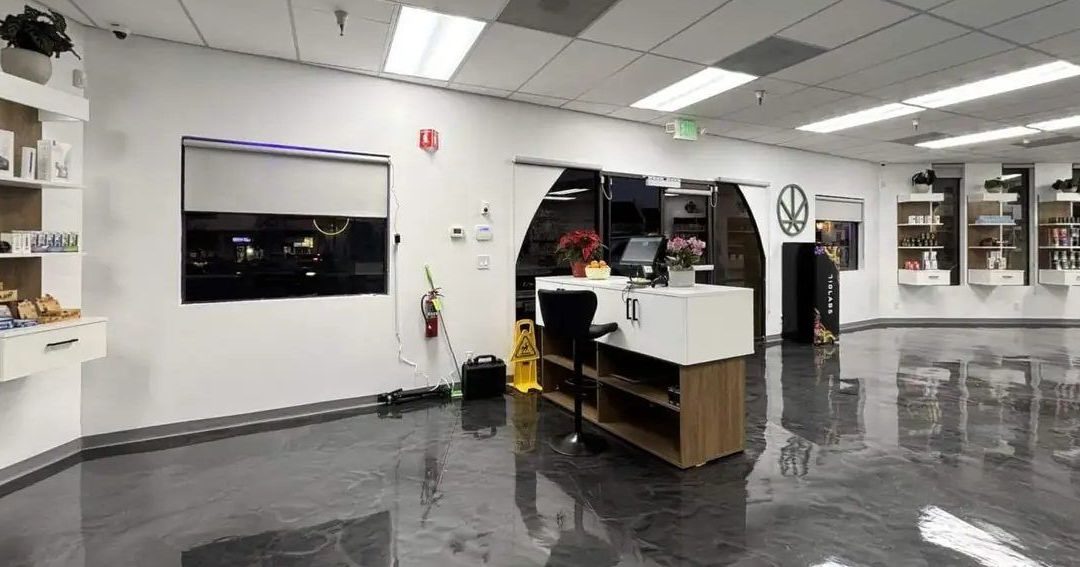
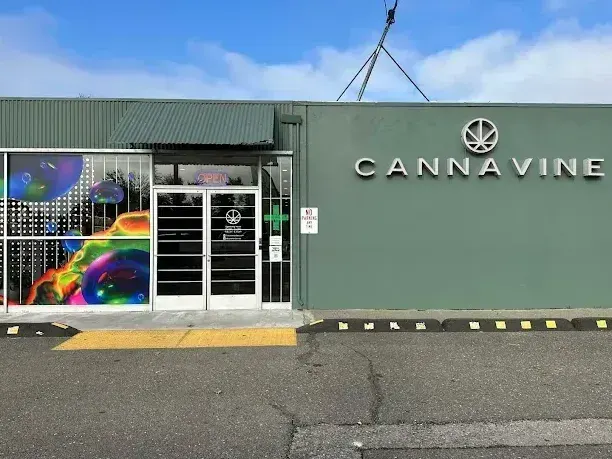
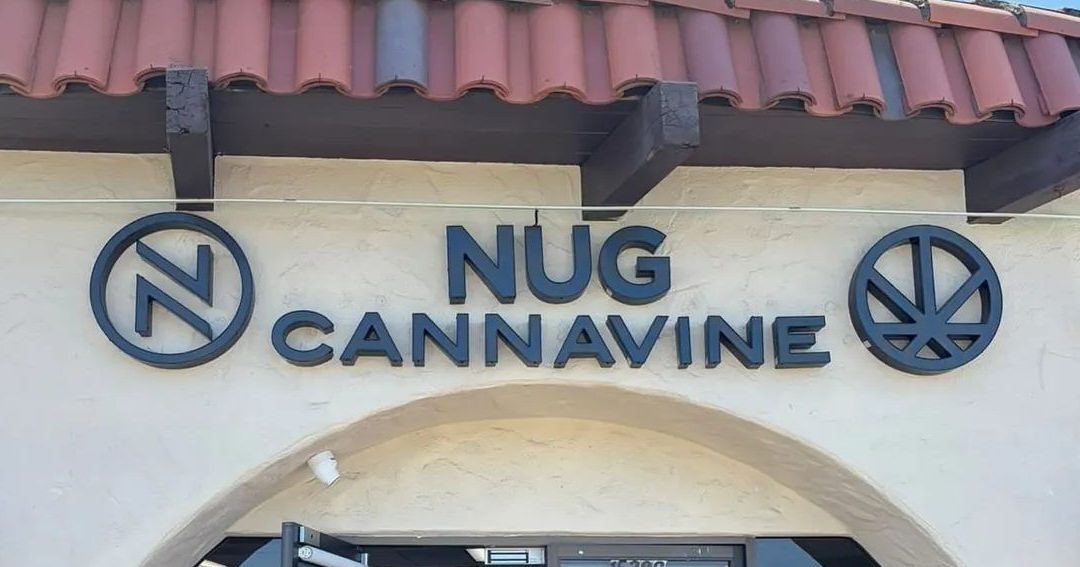
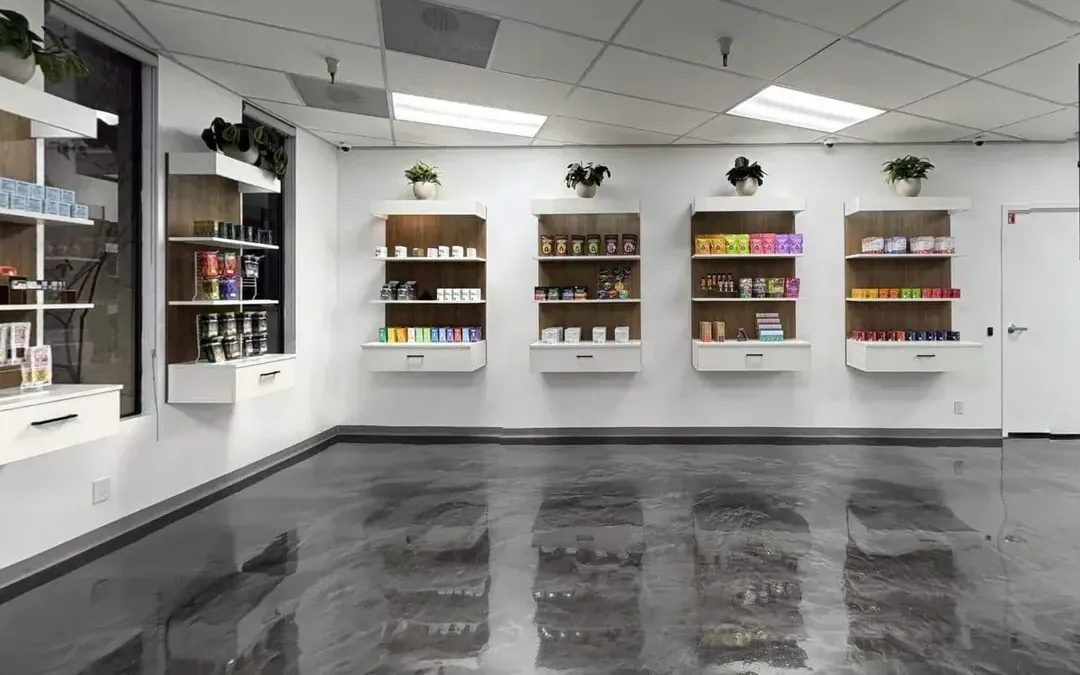
Ready to explore cannabis legally? We're Nug Cannavine Cannabis Dispensary, located at 1538 El Camino Real, Belmont, CA 94002. We serve the Peninsula from Millbrae to Palo Alto and Stanford, with both pickup and delivery. Here's how to visit us:
- Check our hours – We're open daily from 9:00 am to 9:00 pm.
- Bring your ID – You'll need a government-issued photo ID proving you're 21+. Medical patients 18+ with a valid recommendation are welcome.
- Park for free – Use our parking lot behind the store; the entrance is on El Camino Real.
- Walk in or order ahead – Walk-ins are welcome, but ordering ahead speeds up pickup.
- Pay with debit or cash – We don't accept credit cards.
Our team can help you find the right flower, pre-rolls, vapes, edibles, or extracts. All products are lab-tested for quality. If you're new to cannabis, ask us about [[what-is-the-average-cost-of-a-vape-cartridge|vape cartridge costs]] or [[how-much-does-an-eighth-cost-in-belmont-ca|eighth prices in Belmont]].
Frequently asked questions
Is cannabis a safe drug?
Cannabis is relatively safe compared to many drugs, but it's not without risks. It can impair judgment, affect memory, and lead to dependence. It's safest when used occasionally, in moderation, and by adults over 25. If you have mental health conditions or are pregnant, avoid it.
Is cannabis a serious drug?
Cannabis is a serious drug in the sense that it can have significant effects on your brain and body. It's not as dangerous as opioids or stimulants, but it can still cause harm, especially with heavy use. It's important to use it responsibly and be aware of the risks.
Is cannabis a type of drug?
Yes, cannabis is a type of drug—specifically a psychoactive drug. It contains cannabinoids like THC that alter brain function. It's also classified as a depressant, stimulant, and hallucinogen depending on the dose and strain.
What drug category is cannabis in?
Cannabis is often categorized as a depressant, but it also has stimulant and hallucinogenic properties. It's considered a mixed or atypical drug. Federally, it's a Schedule I controlled substance, but in California it's legal for adults 21+.
Is cannabis addictive?
Yes, cannabis can be addictive. About 1 in 10 adults who use it develop cannabis use disorder. The risk increases if you start young or use it daily. Symptoms include cravings, withdrawal, and difficulty cutting back.
Also asked as
- Is weed a drug?
- Is marijuana a drug?
- Is cannabis considered a drug?